

Key Takeaways
- To manage your blood sugar level as a diabetic patient, you need to do away with sedentary lifestyle and embrace healthy living.
- Natural ways to reduce your blood sugar levels may include; Exercise, less carb intake, stress control, regular sugar level monitoring and weight loss.
- However, these lifestyle modifications do not replace your diabetes or metabolic conditions medications.
Pre-diabetes, your body regulate blood sugar levels by producing insulin. Production of insulin causes the body cells to use up sugar in the blood. With diabetes, more sugar are reserved in the blood stream due to impairment of the pancreas. This can lead to high blood sugar, also known as hyperglycemia.
Reducing blood sugar level is vital for a diabetic patient to prevent deterioration and life threatening complications.
Here are five research-proven ways that you can use to lower your blood sugar level as a diabetic patient.
1. Less carb intake

Carb intake is directly proportional to blood sugar level. The greater your carb intake the higher your blood sugar level. Due to the impairment of insulin, your body can longer process carbs, leading to high level of sugar in the blood stream. Hence, the need to manage your carb intake.
The American Diabetics Association has addressed that carbs should be counted before they are consumed for proper diabetes management and awareness of how much they need for daily activities.
Counting your carbs for blood sugar management is important, as this would help reduce blood sugar level and prevent spikes. It is important to know that Low carb is different from No carb.
Low carb diet can be sought from whole grains and unprocessed sources. Food rich in fibres can also be consumed to help slow carb digestion and sugar absorption. In addition to blood sugar management, whole grains, unprocessed food and fibres provide greater nutritional value.
2. Weight management

Maintaining a healthy body weight, that is the recommended Body Mass Index for your age is important in reducing blood sugar levels.
If you are overweight or obese, reducing as little as 5% of your body weight would have a considerable reduction on your glycemic level and may reduce need for diabetes medication.
For instance, if you weigh 200 pounds (91 kg) and loses 10 to 15 pounds (4.5 to 6.5kg), there would be a significant improvement in their blood sugar level.
In addition, loosing body weight can improve HbA1c readings, which is an indicator of your blood sugar level over the past 3 months.
3. Exercise

Regular exercise and physical activity can help reduce body weight, blood sugar level and increase insulin sensitivity. Insulin sensitivity means your cells can use blood glucose more effectively.
To prevent extreme spikes- too low or too high- in blood sugar level, it is advised to check your numbers before and after exercise. Routinely checking your blood sugar level will help you understand which activities help most and prevent extreme levels.
You don’t have to rely on long strenous excercise, especially if time is a barrier. You can aim for shorter sessions such as; 10-minute exercise sessions 3 times a day for 5 days, amounting to a goal of 150 minutes per week. That’s something!
“Exercise snacks” is another form of exercise that can prevent complication from sitting too long. You can scheldule” 30 minutes sitting time breakup” throughout the day. Simple exercise includes; squats, light walking or leg raising.
Other forms of exercise are;
- running
- Biking
- Weightlifting
- dancing
- hiking
- swimming
- jumping jack
- brisk walking
Whatever form of exercise, as far as it keeps you moving can help manage your blood sugar level.
4. Control the stressor

Do you know that stress can affect your blood sugar level? When you are stressed, the body produces hormones called cortisol and glucagon, which can raise your blood sugar levels.
To manage stress, you can indulge in activities such as;
- deep breathing
- meditation
- mindfulness
- journaling
- art and craft
- psychotherapy
- your favourite hobbies
Research has shown that, exercise and mindfulness based practice can help correct insulin problems related to chronic diabetes.
5. Monitor Sugar Levels
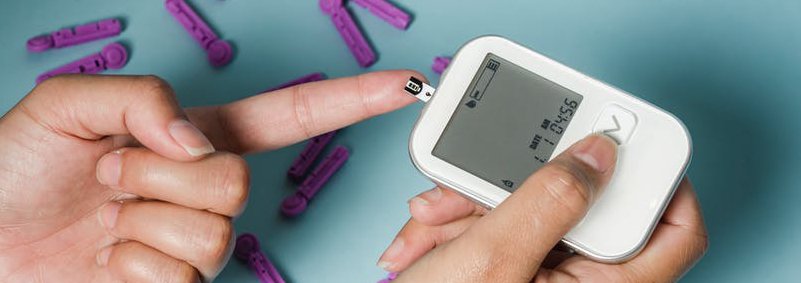
Monitoring your blood sugar level is important for diabetes management. This will help to determine if there is improvement or not. All thanks to technology that blood sugar levels can be checked at home with a portable glucometer. Endeavour to check with your doctor before possesing a glucometer.
Monitoring your blood sugar level determine whether to adjust your exercise, meals or medications. It also help you to keep account of how your body responds to certain food.
It would be helpful to document each sugar level reading, as to keep track of progress or deterioration. To keep track, you can check blood sugar level before and 2 hours after meal. This will help you take account of food that spikes your blood sugar level.
Final thought
To maintain healthy blood sugar levels, you need to do way with sedentary lifestyle and imbibe healthy living. Natural strategies to lower your blood sugar level includes; exercise, weight management, blood sugar monitoring, stressors control, and less carb intake. Above all, the best strategy to maintain blood sugar levels lies in your dietary choices.

 Mkay health blog (HWF analyst)
These are simple and effective ways diabetes patients can be mindful of their health and manage diabetes in other to prevent deteriorating health.
LikeLiked by 1 person
Diabetes patients should be mindful of their condition in other to live healthily. As negligence would pose greater harm or cause deteriorating health.
LikeLiked by 1 person
Follow http://mkayhealthandfitness.health.blog for more useful and educating health information.
LikeLiked by 1 person