
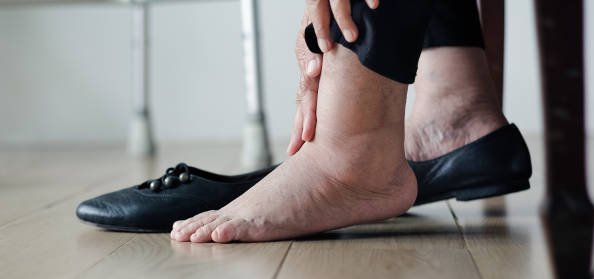
- Deep vein thrombosis is an underdiagnosed and serious condition characterized by the presence of blood clot in deep veins
- Certain risk factors like hypertension, heart disease, immobility and stroke can cause deep vein thrombosis
- Immobility is one major cause of deep vein thrombosis
Have you been experiencing swelling and pain around your arm, leg, or pelvis lately present with discolored skin around the area? There could be a greater chance that you are having deep vein thrombosis.
According to the Centers for Disease Control and Prevention, Deep vein thrombosis is an underdiagnosed but serious medical condition that occurs when a blood clot forms in a deep vein. This phenomenon usually occurs in deep veins situated in the lower leg (calf), thigh, arms, or pelvis.
Deep vein thrombosis can affect anyone irrespective of age or gender, but the occurrence has to be pioneered by certain risk factors. However, going by the most affected according to a recently published study, women with multiple pregnancies and postpartum are at greater risk.
The good news is that deep vein thrombosis is treatable only if diagnosed early. This is the reason you have to be conscious of these warning signs to prevent late diagnosis.
Factors that increase chances of deep vein thrombosis
For Deep vein thrombosis to occur, certain risks could be underlying. They include;
- Immobility: The most prominent and major cause of deep vein thrombosis. Immobility could result from long hours in cars or being hospitalized for too long. There is a higher chance for your blood to clot if you are always immobile.
- Stroke
- Overweight or obesity
- Genetics; inherited blood clotting disorder
- Pregnancy and postpartum
- Heart Disease
- High blood pressure or hypertension
Warning signs of deep vein thrombosis
Below are warning signs to self-diagnose if you are having deep vein thrombosis. According to an NIH blood disease specialist, Dr. Andrei Kindzleski “Deep vein thrombosis has classic signs—for example, Swelling, pain, warmth, and redness of the leg”.
1. Swollen legs, arms or pelvis
Early swelling signs of deep vein thrombosis can be subtle. Swelling usually occurs on the site of the affected vein, or in some cases, on the whole extremity. In most cases, deep vein thrombosis is encoutered on only one limb, which is characterized by edema- accumulation of fluid.
Swelling may first be seen on the ankle or foot, appearing as a “puffy” look rather than dramatic swelling. A key indicator could be when one of your shoe feels tighter than the other.
Swelling occurs in DVT as a result of damaged veins and valves, causing them to be weak leading to the accumulation of blood.
In addition, swelling is the most noticeable sign of deep vein thrombosis and it usually occurs in the lower leg, arms, or pelvis. If the blood clotting is in the deep vein of your leg, then the swelling occurs in the lower leg. If the DVT occurs in the pelvis, then the swelling will be seen on both legs. In most situations, Deep vein thrombosis occurs in the lower leg or thigh.
2. Changes in skin colour
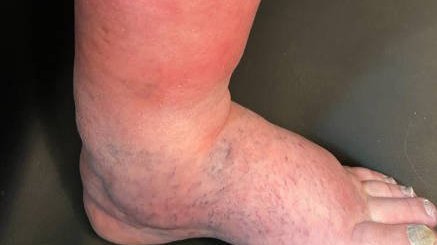
After swelling comes change in skin colour on the affected area. Change in skin colour of the affected limb may occur as a result of blood clot in the vein; the higher the number of blood clot, the darker the discoloration.
In the early signs, discoloration may appear as pink along the affected vein, and over time changes to dark red. Discoloration in skin is as a result of inflammation in the blood vessels.
According to a study, the skin color may appear red or discolored and become warm to the touch compared to the rest of the skin. Also, this change in skin color may be present with an itch and rash.
3. Pain in the leg

Pain is the most common sign of DVT, pain occurs as a result of blood clot in the affected veins. As a clot deteriorates, you may experience discomfort and soreness in the area. Pain associated with DVT, can range from a dull aches to intense throbbing pain.
Pain may intensify with prolonged walking or standing . Most time, this pain is mistaken for muscle injury, but DVT pain tarries for long than muscular injury.
In early stage of DVT, the pain often present as dull persistent pain that you might mistake for a minor muscle strain. The intensity of this pain can vary from person to person. If you notice pain in your limb that lingers for some time associated with symptoms like redness and swelling, it’s best to consult a medical professional.
In addition, pain could be felt on either the leg, pelvis, or arms depending on where the blood clotting occurred. The pain felt might be mild or severe depending on how voluminous the blood clot in the deep vein is. Pain is usually felt most when the blood clot travels down the vein.
Bottom line
Deep vein thrombosis is an often underdiagnosed medical condition characterized by the presence of blood clots in the deep vein found in the leg, arms, or pelvis. Aside from genetics, certain risk factors can heighten the occurrence of this phenomenon; pregnancy, heart diseases, hypertension, immobility, and stroke. From among the lot, Immobility is ranked as the major cause of DVT. If you experience swelling on your leg, arms, thighs, or pelvis and these symptoms don’t go away after medications, it is best you seek the help of your medical Doctor.
Frequently Asked Questions on Deep vein thrombosis
How Long Can You Have DVT Without Knowing?
You can have Deep vein thrombosis for days or weeks without knowing. But over time, symptoms like pain, skin warmth, and swelling would start prevailing but not in all cases.
Can sitting make Deep vein Thrombosis go away?
Not at all, sitting down does not help the Deep vein thrombosis situation. Instead, it causes decreased blood flow and increased pressure in the affected area.
What Does DVT Feel Like?
Deep vein thrombosis is characterized by swelling in either the leg, arms, or pelvis. It also comes with pain and red or purplish skin color.
How Painful Is DVT?
Pain from Deep vein thrombosis can be either mild or severe depending on the voluminosity of the blood clot in the deep vein.
What Are The Warning Signs Of Deep Vein Thrombosis?
The warning signs for Deep vein thrombosis are swelling, pain, and change in skin color of the affected area which could be either the arms, leg, thigh, or pelvis
Does DVT Pain Come And Go?
Yes, pain from Deep vein thrombosis can come and go. However, it depends on the causative risk factor and the potency of the medication used.
Can Inner Thigh Pain Be A Blood Clot?
Yes, chances could be that the pain felt in your thigh could be as a result of Deep vein thrombosis. If you experience swelling and change in skin color, then you shouldn’t hesitate to seek the help of your doctor.
References
1. Center for Disease Control and Prevention. What is Deep vein thrombosis?https://www.cdc.gov/ncbddd/dvt/facts.html
2. Center for Disease Control and Prevention. Are you at risk of Clots? https://www.cdc.gov/ncbddd/dvt/features/blood-clot-risk.html
3. McLendon K, Goyal A, Attia M. Deep Venous Thrombosis Risk Factors. StatPearls Publishing; 2023 Jan-. Available from: https://www.ncbi.nlm.nih.gov/books/NBK470215/
4. News in Health. How to spot and prevent deep vein thrombosis. https://newsinhealth.nih.gov/2017/01/how-spot-prevent-deep-vein-thrombosis
5. Cologne, Germany: Institute for Quality and Efficiency in Health Care (IQWiG); 2006-. Deep vein thrombosis (DVT): Overview. 2017 Mar 23. Available from: https://www.ncbi.nlm.nih.gov/books/NBK425364/

 Mkay health blog (HWF analyst)