
The liver is one of the most important organs as it takes part in major functions in the human body. If you experience jaundice, nausea and vomiting, swelling, pain in the abdomen, clay, or black-colored stool, then your liver may be at risk of damage or disease.
The liver which is reddish brown and blood-rich is one of the most important and largest organs in the body. It is located in the right upper quadrant of the abdomen. The liver functions in myriad ways such as; the metabolism of fat, digestion, metabolic function, detoxification, drug metabolism, and nutrient synthesis. With these functions, it is one organ that needs not to be compromised health-wise.
However, most people do not consider the liver as an organ to look out for as it seems insignificant. Certain factors like eating and lifestyle habits could determine whether our liver is safe or not. On a note where the effects of these lifestyles are negative, the liver can over time lose proper function or become infected. So, how do you know your liver is at risk? Here are signs to put you on alert!!! that your reddish brown blood-rich liver is in danger.
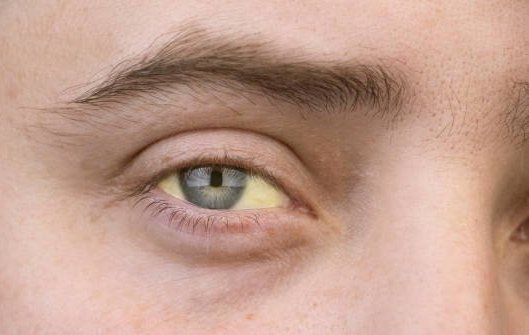
1. Jaundice; Yellow eyes and skin
Jaundice is top of the telltale signs that your liver could be in jalopy. Jaundice usually present symptoms like yellowish colored eyes and skin. Poor liver health can lead to yellow coloration of the eyes and skin as a result of yellow substance deposited in the blood. Most times, discoloration of the eyes and skin, usually tell that your liver damage is at an advanced stage.
2. Nausea and vomiting

Nausea and vomiting are usually signs and symptom present in most disease condition and illness. In the early onset of liver disease, nausea and vomiting are often present, causing the liver’s incapability to eliminate toxic substances. Sometimes, nausea and vomiting associated with liver may contain blood.
3. Swelling and pain in the abdomen
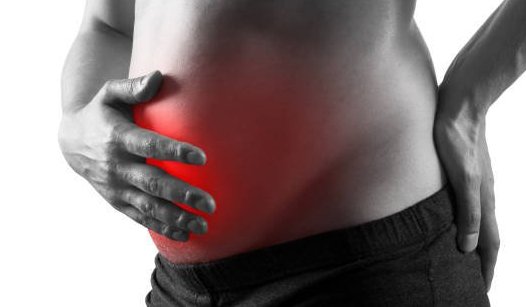
Swelling and feeling of pain in the abdomen could be another sign that your liver is at risk of failing. Swelling in the abdomen could be as a result of blood flow interruption due to pressure on the intestine and other internal body parts. If you notice swelling especially in the upper quadrant of your abdomen, its best you seek medical attention.
4. Pale or black coloured stool
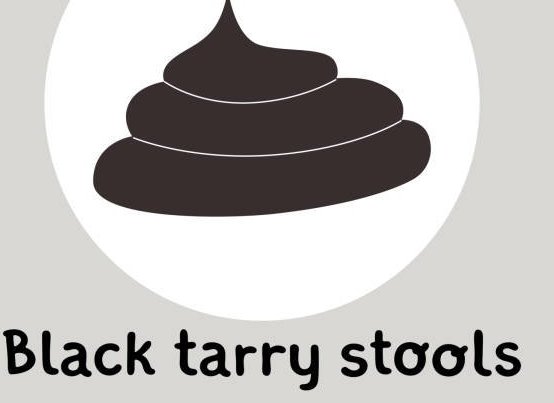
One of the earliest tool for diagnosis was stool specimen and urinalysis. In the diagnosis of risk of liver disease, your stool can serve as a diagnosis parameter. When your liver is unable to produce an adequate amount of bile or when the flow to the liver is blocked, your stool can become clay-coloured or black respectively. If your stool presents these colours repeatedly, do not hesistate to reach out to a medical professional.
5. Feet edema (swelling of feet)
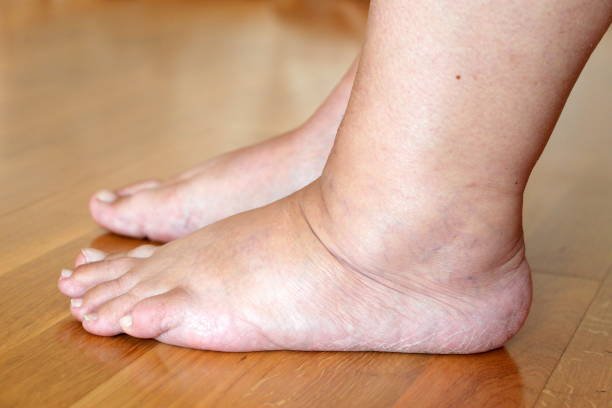
There are different factors or conditions that can cause the feet to swell, and liver malfunction or disease is one of them. If your liver is in a critical condition, swelling may occur in your ankles or feet. However, ensure to observe other major signs of liver malfunction, before tagging feet edema as one.
6. Itchy skin
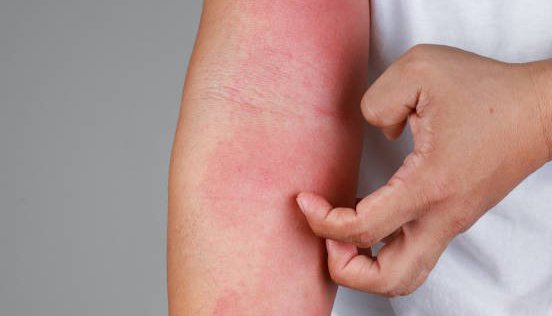
An itchy skin could be another telltale sign that your liver is at risk. Itchy skin related to liver malfunction occurs as a result of overproduction of bile salt by the liver. This usually, is an early indication of liver disease.
7. Easy bruisability and fatigue

The inability of the liver to function properly causes loss of appetite which stops the production of proteins that are involved in blood clotting. With this condition, easy bruising is bound to occur.
In addition, another symptom of liver disease is unnecessary tiredness and fatigue all day long. However, you may likely feel tired due to other reasons, but if this condition persists for too long, consult your doctor.
Risk factors of Liver malfunction or disease
Certain lifestyle and conditions can put the liver at risk of damage or disease. These conditions include;
- Obesity
- Type 2 diabetes
- High level of cholesterol
- Extreme Alcohol consumption
- Certain Medications
- Polycystic ovarian syndrome
- Exposure to toxins
- Intake of harmful supplements
Ways to keep the Liver in healthy Condition
According to the American Liver Foundation, the following ways can help keep the liver and overall health in check.
- Stick to a nutritious diet that includes lots of fruits, vegetables, lean proteins, and whole grains.
- Maintain a healthy or moderate weight
- Abstain from substance abuse and smoking
- Limit alcohol consumption
- Be cautious of certain chemicals like aerosols cleaners, bug spray and other cleaning chemicals
- Always use a condom or other protective barrier during sex
- Check-in with your doctor bi-annually annually for overall body checkup.
Takeaway
The liver is a reddish-brown organ located in the right upper quadrant of the abdomen. It is the largest and one of the most important organs in the body as it has a variety of functions. The liver functions in digestion, drug metabolism, and detoxification. Despite its function, people do not pay attention to the liver as it seems insignificant. Certain lifestyles and conditions such as exposure to toxins, type 2 diabetes, and high alcohol consumption can put the liver at risk. Signs that could tell your liver is at risk are; jaundice, nausea and vomiting, fatigue, easy bruisability, and itchy skin. Abstaining from substance abuse, and eating nutritious food are some of the ways to prevent liver disease and keep overall health in good condition.

 Mkay health blog (HWF analyst)