

Have you ever had a bloating stomach, belly gas, severe stomach pain, and constipation as a result of the food you ate? These symptoms may occur once in a blue moon, frequently, or as a standby occurrence. Whatever the frequency of the occurrence, most times these symptoms come about as a result of indigestion.
When food is not properly metabolized in the body, it leads to indigestion and inadequate absorption of nutrients. Indigestion can stem from so many reasons like eating late at night, eating too much, eating too fast, and the type of food consumed.
Food digestion is a very delicate process that involves the ingestion, digestion, absorption, and assimilation of food substances. Food is ingested through the mouth and the teeth and tongue help to grind and roll the food respectively. Then the semi-digested food goes into the stomach through the esophagus where it is acted upon by enzymes. Then to the intestine where absorption of food nutrients takes place and finally the nutrients are taken to the body cells and tissue for assimilation. Whenever anything goes wrong in any of these processes, indigestion is likely to occur. If you occasionally or always experience the symptoms of indigestion, below are proven ways to help you improve your digestion.
1.Fill up with soluble fibers

It is known and factual that fiber aids digestion. However, there are two types of fibers; soluble fibers and insoluble fibers. Soluble fibers are fibers that absorb water and make it easy for one to pass out stool while insoluble fibers help to aid the easy movement of digestion. These digestible fibers help to prevent or reduce the symptoms of indigestion such as constipation and bloating stomach. It can also help in severe conditions like inflammatory bowel movements and colorectal cancer when eaten regularly. Soluble fibers can be gotten from barley, oats, and legumes while insoluble fiber can be gotten from whole grains, nuts, and seeds. If you want the combination of both fibers in one meal, then you can go for fruits and vegetables as they contain both.
Another important fiber you should look out for is Prebiotics. These fibers feed your healthy gut bacteria and also reduce inflammation in the gut. Again, they are found in fruits, vegetables, and grains.
2. Eat whole meal
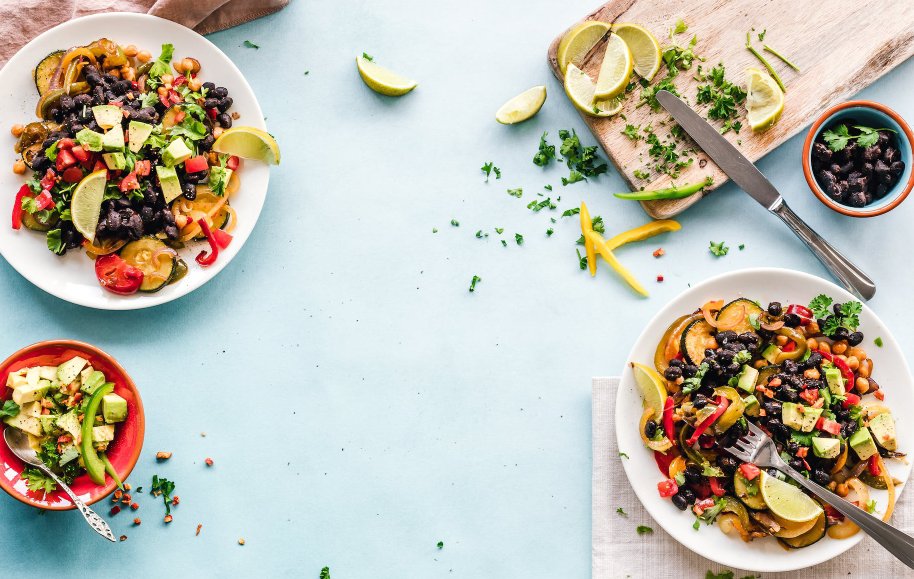
Whole meals are usually fresh, rich in nutrients, minimally processed, and void of addiction while processed food is the contrast and should be least considered because they contain excess refined carbs, saturated fat, and addictive, which are all detrimental to health.
A study has shown that whole meals such as fruits and vegetables are known to aid optimal digestion and keep indigestion symptoms at bay. They also help to feed and enhance the healthy bacteria in the digestive tract. Highly processed foods increase the harmful bacteria in your gut. If you do not want your healthy gut bacteria to be overpowered by harmful bacteria thus leading to inflammatory gut or indigestion, then highly processed food should not be on your food planner- they should be rarely eaten.
Apart from increasing the risk of developing inflammatory bowel disease, highly processed food can also increase the risk of cardiovascular diseases, thus risking overall health.
3. Chew your food properly and slowly.

Do you know digestion of food starts from the mouth? The way you chew your food in your mouth is also a determinant if indigestion would occur or not. A study has linked poor chewing habits to decreased absorption of nutrients by the body. When you chew your food with your teeth, it causes saliva to be secreted. This saliva secreted contains some digestive enzymes that help to break the food substances into tiny particles; mostly carbohydrates and fat. Then the semi-digested food substances are gulped down into the stomach through the esophagus
In a process where the food is not properly chewed in the mouth, enough saliva will not be secreted to properly digest the food before swallowing, making the other round of digestion in the stomach cumbersome. Chewing food properly ensures that a lot of saliva is secreted to effectively break down the food substances into tiny particles before swallowing. This process leads to easy digestion in the stomach thus preventing issues like constipation and belly gas. When eating, try to scoop a considerable amount of food into your mouth and chew slowly until the food in your mouth becomes like baby food before swallowing. This way you are ensuring your food is properly digested to prevent indigestion.
4. Drink adequate water

Water is a basic necessity for life and very important for the normal functioning of the human body. In digestion, water is paramount as it aids effective digestion and absorption of food nutrients. It also prevents constipation. Eating without drinking water can cause indigestion birthing symptoms like constipation, bloating stomach, and belly gas. on those days, you do not want to eat too much, you can gulp some cups of water before eating, this will help make you full in no time. After eating, it is advisable to drink adequate water as this will help speed up the rate of digestion processes. Liquids such as non-caffeinated beverages and herbal teas can be used to augment water, but still, water is paramount. You can also eat fruits and vegetables like watermelon, cucumber, broccoli, and strawberry which are high in water content to improve your body hydration level.
5. Manage your Stressor

Stress is surely encountered in one way or the other in everyday life. Stress can also be detrimental to the digestive system. When your body is stressed, it secretes stress hormones called cortisol and adrenaline which causes the body to enter into a fight/flight mode configuring your brain to think you don’t have time to rest or digest food thus diverting energy and blood away from the digestive system. Management like deep belly breathing, meditation, acupuncture, and behavioral therapy can help to relieve and manage stress thus preventing stomach ulcers, diarrhea, constipation, and IBS.
6. Eat mindfully

When eating we tend to get distracted by TV and mobile phones causing us not to pay full attention to the food we are eating. Not paying attention to the food you eat can cause you to eat much or too quickly. Mindful eating entails paying undivided attention to all aspects of the food and its processes.
Practicing mindfulness while eating can help you take note of the smell and texture of the food and gives you time to savor the taste and the food. This sensation and savory make you chew it effectively. This can help prevent indigestion and related digestive diseases.
To practice mindful eating, you should;
- Take your time and eat slowly
- Put off the TV and keep your phone away while eating to ease distraction
- Take time to scrutinize your food and notice the texture and the smell
- Consciously select each bite of food
- Just make sure you are paying attention to every aspect of your food.
7.Get that body moving

Exercise has been known to be a remedy for so many problems and ailments as inactivity births negative consequences. The same goes for indigestion, as exercise enforces easy digestion of food. All you need to do is, take a short distance stroll or walk after each meal to get easy movement and digestion of food in your digestive tract. However, research has shown that short to moderate periods of exercise can speed up the digestion processes but a long and strenuous one would delay and slow things down.
A review outlined that gentle exercises like walking, jogging, jumping, qiqong, and physical movement can help relieve symptoms of constipation and its relation. Exercise can also reduce symptoms of inflammatory bowel disease due to anti-inflammatory bowel effects, thus decreasing inflammatory compounds in your body.
8. Among the fat lots, choose healthy fats.

Does this sound counterintuitive? What has fat got to do with improving digestion? Yes, healthy fat is paramount for good and effective digestion. why? Fat helps you to feel full after a meal and helps in the effective absorption of certain nutrients, such as vitamins A, D, E, and K.
A very good source of healthy fat is omega 3 fatty acid which can be gotten from flaxseed, chia seed, nuts, Salmon, tuna, mackerel, and sardine. Omega 3 fatty acid can help decrease your risk of developing inflammatory bowel disease like ulcerative colitis.
9. If you have a negative lifestyle, change it.

As humans, in one way or the other, we sometimes portray or indulge in negative acts that could be detrimental to our health. These acts could be done once in a while or as an addiction.
Long-term smoking is detrimental to health as well as the digestive system. It is a risk factor for the development of gastroesophageal reflux disease or GERD, ulcerative colitis, and gastrointestinal cancer.
Another negative lifestyle that can disrupt the digestive system is alcoholism. Alcohol can lead to an increase in the production of acid in your stomach and may lead to heartburn, acid reflux, and stomach ulcers. Reducing your consumption of alcohol can help minimize or reduce the risk of these occurrences.
Still on the list is late-night eating, another negative lifestyle that can affect digestion. Sleeping immediately after eating at night, can lead to indigestion birthing discomforting symptoms like heartburn and acid reflux. To prevent indigestion, after eating try to stay up for 2-3 hours before sleeping.
The wrap-up
Indigestion is a phenomenon that can occur once in a while or frequently depending on the state of your digestive system. Indigestion may birth symptoms like bloating stomach, belly gas, constipation, and stomach pains which may result from the food we eat.
To tackle indigestion, you have to make ruthless conscious efforts to improve your digestion process. These processes include eating whole foods, exercising, choosing healthy foods, eating mindfully, managing stressors, and filling your plate with soluble fibers.
Also changing negative lifestyles such as smoking, drinking alcohol, and eating late at night can help to reduce the risk of indigestion. These negative lifestyles are known to cause digestive tract disease in the long run.
If you are suffering from chronic digestive diseases that are often accompanied by indigestion, consult your healthcare provider for instructions and treatment to adhere to.

 Mkay health blog (HWF analyst)
very useful and interesting.
LikeLike