

With numerous campaigns and awareness on the importance of imbibing healthy lifestyles, diabetes and obesity are still on the increase. The latter (obesity) often births the former (diabetes) so they work hand in hand. The risk factor and cause for both conditions is a sedentary lifestyle.

The most prevalent type of diabetes is type 2 diabetes Mileatus. This diabetes occurs as a result of insufficient insulin to break down glucose for energy thus leading to an increased level of glucose in the blood.
With technologies and innovations, different medications have been borne to treat and delay diabetes. These medications such as insulin and metformin are only used to manage the symptoms of diabetes and do not provide a permanent cure. Sometimes, a reduction in weight and healthy lifestyles by the affected can counter the effects for a while but does not necessarily mean It is cured. It may be incurred again.
Over the years, even now, research are made to find a permanent cure for diabetes mileatus. Most research and findings are on the cure for Type 1 diabetes but since the two types are borne of the same cause, these research and findings may likely cure Type 2 diabetes too. With more credible research to modify previous research and findings, diabetes will likely be cured permanently in the future.
Below are approaches that promise permanent cures for diabetes in the future.
Artificial pancreas
With the complete lack of insulin as attributed to Type I diabetes, research has been focused to provide alternatives for the production of insulin. With clinical trials, the artificial pancreas would not only produce insulin but also produce glucagon which would help in hypoglycemic conditions. But this innovation is subjected to some technological upgrades such as; glucose monitors which measure the level of glucose in interstitial fluid. The new upgrade will measure glucose levels in the blood because the latter values are often lagged. And then the case of insulin pumps which delivers insulin subcutaneously thus delaying the delivery of insulin in the blood. In a few years to come, upgrades will be made on this aspect.
Pancreas or Beta cells replacement
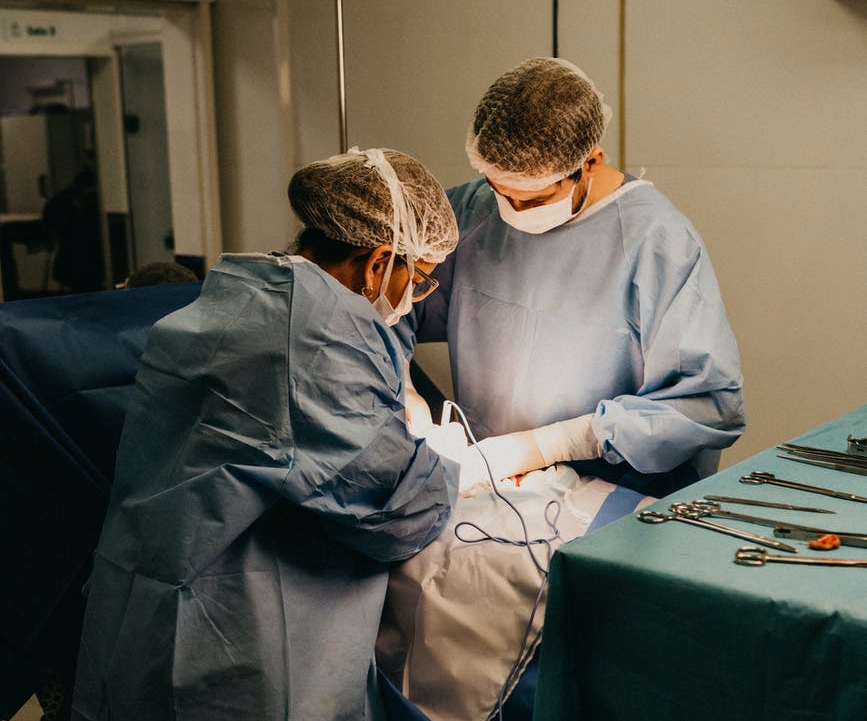
The pancreas is the organ in the human body that produces insulin. It is made up of Alpha cells, beta cells, and delta cells. The beta cells are in charge of producing insulin. Research has found out that when the pancreas is faulty, it can be replaced (transplant) that is, the whole pancreas or the beta cells can be replaced. Though over the years pancreas transplants have existed. With innovations and modifications, it has promised to produce more success rate. Procedures such as strict donor emphasis, immunosuppression, and improved surgical techniques in no time are upgraded to increase the success rate of transplants. In alternative to the total removal of the pancreas, beta cells can be replaced with islet cells. These cells are isolated from the donor and then infused into the portal vein of the patient. This method has proved successful in some cases, but more modification is needed to evacuate the use of immunosuppressors.
Modifications of insulin delivery and diabetes drugs

Though insulin is already in use for the treatment of diabetes. Often, the mode of delivering insulin into the body is draining for the patient. With the pricking of the skin with syringes and needles twice a day. Approaches are being made to research easier ways of delivering insulin. This may not be seen as an approach to counter diabetes but it could be one way to ensure an effortless treatment. Then for the issue of drugs, metformin and others are being modified to not only tackle diabetes but act on the brain, the gut, and likely control weight. Not only that, research is being made to transform the drugs to be more effective in dealing with diabetes and consistent usage may likely cure diabetes.
With the above approaches, the cure for diabetes in no time will be brought into the limelight. This innovation will help the affected live a normal life with full expectancy.
Do you know about the flame of hope?

The flame of hope is an eternal flame located in London, Ontario, Canada. The flame was made in honor of Sir Frederick Banting the discoverer of insulin and as well as those who had been affected by diabetes. Simultaneously, it serves as a reminder that insulin manages diabetes and does not cure it. Ultimately, it stands and promises that a cure for diabetes would soon be found. The flame will be put off when the cure for diabetes is found, and only by the team who finds the cure.
The flame of hope was kindled before 4000 spectators by Her Majesty Queen Elizabeth the Queen mother on July 7th, 1989.

 Mkay health blog (HWF analyst)